


Day 3 at the data school hots up as we dive headfirst into the fascinating world of tableau prep. Today, we learned to distinguish between a unionizing and joining data. exploring when and how to use each technique, a task more nuanced than I first thought!
Now, as an ex-postman who survived the chaos of last year's workers strikes, I thought I had a pretty good grasp on the concept of unionizing. Little did I know that in the realm of tableau, it takes on a whole new meaning! But fear not, I'm here to shed some light on these two data merging techniques.
Let's start with joins:

Joins are like the matchmakers of the data world. They bring tables together based on a common field (or multiple fields) between them. When you perform a join, you are combining two tables of data horizontally, you are going to end up with a wider looking data set with more columns/fields to it. With joins, you merge rows from different tables into one, all based on a specific join condition.
Now, let's move on to unions:
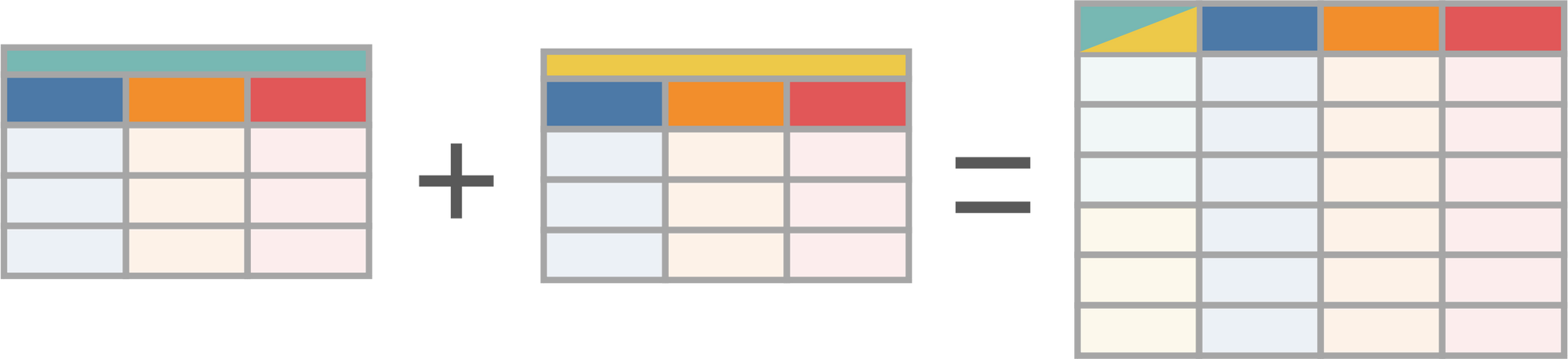
Unions, on the other hand, are all about combining records from identical or similar table structures. Instead of widening your data like joins, unions build a taller dataset. The two data sets combine horizontally adding in more rows associated with the new data. Whilst the unionizing process may slightly broaden your dataset as it introduces new fields created from the table names, the ultimate goal is to merge fields together, resulting in a dataset that boasts a greater number of rows.
Through the exploration of joining and unionizing techniques in tableau prep, my understanding of its capabilities has significantly broadened. Both from horizontally from unionizing and vertically from joining!
I look forward to the new insights tomorrow brings.